
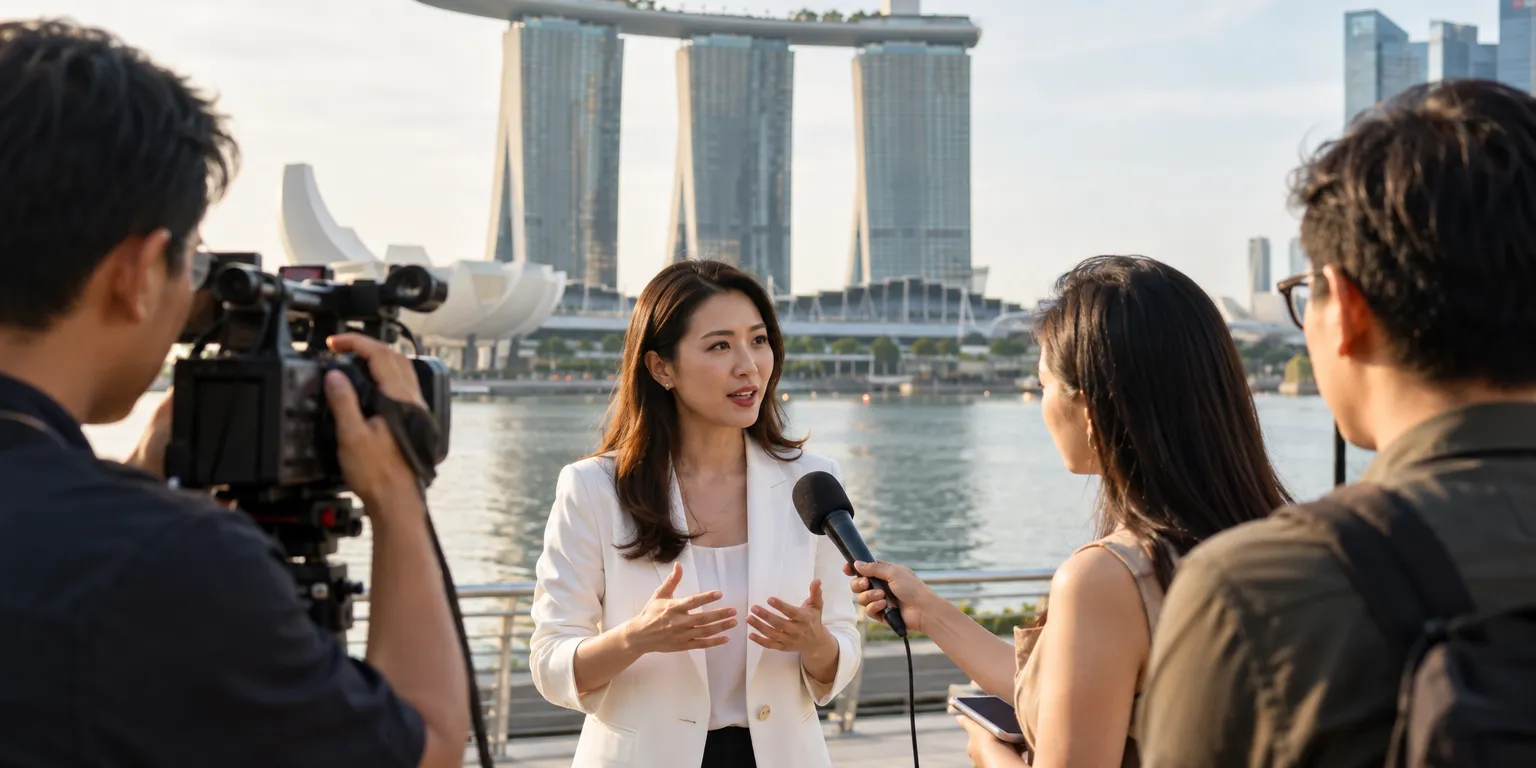
Enterprise Singapore reported in January 2025 that SMEs comprise over 99 per cent of Singapore's more than 300,000 enterprises. In this competitive marketplace, securing Singapore media coverage for brands has become a primary driver of sustained consumer trust.
Modern consumers research online reviews and independent news articles before making any significant purchase. Paid advertisements provide quick initial traffic, but they rarely generate genuine long-term corporate authority. When local news portals publish your story, your commercial reputation immediately rises above competing rivals.
Many founders struggle to capture the attention of busy journalists and media editors across the island. Press releases often sit unread in crowded email inboxes because they lack genuine newsworthiness or emotional resonance. Understanding how editors evaluate story ideas is essential for every growing Singapore enterprise.
Earning consistent press exposure requires a clear editorial angle, targeted outreach, and well-organised media materials. This practical guide outlines proven techniques to capture journalist interest, distribute press materials, and amplify your published coverage. In this blog, we discuss the essential steps to pitch local newsrooms and build enduring media presence.
Why Must Homegrown Businesses Get Featured in Singapore Media?
Singapore media coverage builds vital third-party trust that paid advertising cannot replicate. Today, consumers and corporate procurement teams cross-check company claims through independent news publications and verified industry channels. When a recognized publication profiles your enterprise, your brand earns instant credibility across the Singapore market.
Editorial features act as an endorsement from respected journalists, elevating your commercial standing among prospective clients. This objective validation supports higher conversion rates, smoother sales conversations, and stronger brand loyalty. In our work with homegrown enterprises, we help clients turn authentic milestones into compelling public narratives. Integrating editorial coverage with structured branding strategies for singapore smes creates a durable competitive advantage.
1. Establishing Immediate Commercial Authority
Independent editorial validation reassures potential customers that your business operates legitimately and delivers reliable value. Unlike social media advertisements, editorial stories undergo scrutiny by experienced editors before publication. Prospective corporate clients routinely inspect local news archives before awarding substantial tenders or contracts. A single prominent feature can strengthen your corporate reputation over time.
2. Strengthening Digital Visibility and Search Rankings
Prominent media coverage delivers valuable high-authority backlinks directly to your corporate domain. Search engines prioritise websites that earn citations from established digital publications with exceptional domain authority. These authoritative media references boost your organic keyword rankings across major search engine results pages. Consequently, prospective customers find your official website much faster during commercial searches.
3. Attracting Premium Talent and Strategic Partnerships
Top-tier professionals prefer working for recognised companies with clear public visibility and inspiring growth journeys. When local publications celebrate your workplace culture or technological innovation, talented candidates submit unsolicited resumes. Furthermore, regional distributors, retail landlords, and corporate partners actively seek ventures featured in credible publications. Media visibility signals that your organisation is expanding and financially dependable.
4. Differentiating from Aggressive Competitors
Every business sector in Singapore faces intense competition from local startups and multinational corporations. Earned media coverage distinguishes your unique offering from generic competitors relying solely on promotional discounts. A published founder interview highlights your specific operational philosophy, problem-solving methods, and customer commitment. That editorial depth establishes emotional resonance that discount campaigns cannot provide.
Which Singapore Media Channels Should Your Business Target?
You should target media outlets that match your specific audience, business model, and brand story. Pitching the wrong publication is less likely to interest editors whose mandates focus elsewhere. Singapore features a sophisticated media ecosystem spanning national broadsheets, business portals, trade journals, and digital discovery platforms.
IMDA publishes media codes and guidelines that set content standards for relevant providers and platforms in Singapore. Businesses must identify where their target consumers and commercial partners consume information daily. Selecting the correct publication category ensures your corporate announcements achieve the highest possible conversion rate.
1. Mainstream National Newspapers and Broadcast Portals
National news outlets focus primarily on macroeconomic trends, major employment creation, and significant community developments. These outlets require substantial story angles that impact thousands of Singaporean citizens or regional trade relationships. Pitch national desks only when launching disruptive technologies, large expansions, or major public initiatives. Securing coverage here provides immense national awareness and executive authority.
2. Specialized Industry and B2B Trade Publications
Trade journals focus squarely on technical developments, sector regulations, corporate logistics, and commercial partnerships. These platforms serve niche business readers seeking practical operational insights, industry benchmarking, and product innovations. If your company provides enterprise software, logistics services, or professional consulting, trade outlets deliver qualified commercial leads. Their editorial teams actively welcome specialized expert commentaries and real-world case studies.
3. Consumer Lifestyle and Digital Pop-Culture Portals
Digital lifestyle portals appeal to urban consumers seeking trendy food dining, retail pop-ups, wellness solutions, and leisure activities. These publications value vibrant visual storytelling, experiential reviews, viral product concepts, and engaging video formats. Pitch lifestyle journalists with exclusive tastings, sensory product trials, or striking visual demonstrations. High engagement on social channels often follows successful coverage on these energetic consumer platforms.
4. Homegrown Brand Discovery and SME Media Portals
Dedicated business discovery platforms celebrate local enterprise culture, entrepreneurial perseverance, and homegrown brand stories. These platforms publish detailed founder profiles, executive perspectives, and curated roundups highlighting exceptional local service providers. Featuring on focused discovery portals connects your company directly with engaged Singaporeans looking to support homegrown businesses. This approach provides accessible, cost effective branding for smes seeking immediate market traction.
Comparing Singapore Media Channels for Local Business Outreach
| Media Channel Type | Target Audience | Editorial Focus | Typical Response Time |
|---|---|---|---|
| National Daily Press | Broad citizens, corporate executives, policymakers | Economic impact, public interest, policy shifts | 24 to 48 hours |
| Business Trade Media | Industry leaders, institutional investors, B2B buyers | Innovation, sector growth, detailed case studies | 1 to 3 weeks |
| Digital Lifestyle Portals | Urban consumers, millennials, leisure shoppers | Dining, lifestyle trends, consumer experiences | 3 to 7 days |
| Brand Discovery Platforms | Active local consumers and growing SMEs | Founder journeys, verified reviews, best-of guides | 1 to 2 weeks |
How Do You Craft a Newsworthy Angle for Local Journalists?
To craft a newsworthy angle, connect your company milestones to broader economic or community trends in Singapore. Journalists discard self-promotional press releases that read like sales advertisements. Instead, editors look for stories that inform, educate, or entertain their specific readership.
Enterprises must align their milestones with national priorities, such as workforce transformation, green sustainability, and technological modernization. Enterprise Singapore's Enterprise Development Grant guidance identifies core capabilities, innovation and productivity, and market access as areas that support business growth and transformation. Connecting your narrative to official growth objectives demonstrates relevance beyond mere corporate profit. Proper statutory compliance, beginning from the initial formation of singapore company through to annual reporting, provides the foundation for commercial credibility.
Step 1: Anchor Your News in National Conversations
Tie your company product launch or operational expansion to current discussions dominating local news outlets. For example, explain how your technology addresses local labour shortages, rising operational costs, or carbon emission targets. Media editors eagerly publish corporate viewpoints that provide fresh perspectives on existing national dialogues. Relevant industry context transforms an ordinary product launch into an insightful public story.
Step 2: Share Relatable Founder Challenges and Overcoming Obstacles
Audiences remember human triumphs and vulnerabilities far more than corporate revenue numbers or product specifications. Share the authentic struggles, pivotal risks, and creative solutions that defined your entrepreneurial path in Singapore. Explaining how your team overcame early hurdles creates an engaging narrative that inspires other local entrepreneurs. Compelling founder journeys resonate deeply with editors seeking human-interest features.
Step 3: Provide Exclusive Industry Data and Proprietary Insights
Journalists value proprietary data that reveals changing consumer preferences, emerging market patterns, or spending trends across Singapore. If your company processes transactions or manages user interactions, aggregate those metrics into an objective research report. Publishing quarterly industry observations establishes your leadership team as authoritative commentators in your commercial sector. Newsrooms frequently quote founders who supply accurate, original data points.
Step 4: Prepare a Comprehensive Digital Media Kit
A professional media kit gives busy journalists immediate access to high-resolution assets, executive biographies, and factual summaries. Include print-ready photography, transparent brand logos, founder portraits, and a bulleted company background sheet. Ensure all downloadable resources reside in an accessible online folder without requiring complex logins or permissions. Making an editor's research effortless dramatically increases your chances of securing published coverage.
Press Pitch Approaches for Singapore Editorial Outlets
| Pitching Element | High-Impact Press Pitch | Standard Commercial Pitch | Key Success Factor |
|---|---|---|---|
| Headline Angle | Ties to national business trends or data | Highlights general product features | Relevance to current news agenda |
| Founder Narrative | Addresses local consumer challenges or market gaps | Focuses purely on corporate achievements | Human interest and relatable mission |
| Supporting Evidence | Independent statistics and verified customer metrics | Internal marketing slogans without proof | Objective third-party credibility |
| Media Assets | High-resolution photos, clear fact sheets, founder bio | Low-resolution brochures or dense PDFs | Ready-to-publish professional imagery |
Editorial Feature Formats for Homegrown Brands
| Feature Format | Primary Business Objective | Ideal Company Stage | Content Longevity |
|---|---|---|---|
| Founder Spotlight | Builds executive credibility and personal brand authority | Early stage to mature growth | Permanent archival profile |
| Product or Service Launch | Drives immediate product discovery and sales inquiries | New product introduction | Short-term news cycle |
| Curated Best-in-Class List | Positions company as a top-ranked industry provider | Established operational track record | Multi-year evergreen search traffic |
| Thought Leadership Commentary | Establishes sector expertise and regulatory insight | Industry veterans and specialist firms | Ongoing professional citation |
What Common PR Pitching Mistakes Should Singapore Brands Avoid?
Brands often fail to secure coverage by sending promotional sales pitches rather than relevant news stories. Understanding how to get press coverage Singapore editors actually respect requires patience, careful preparation, and professional courtesy. Many business owners alienate media desks by ignoring standard journalistic conventions.
Journalists receive hundreds of promotional emails every morning and possess zero tolerance for generic outreach. Mastering editorial etiquette protects your brand reputation and lays the groundwork for productive media relationships. Avoiding frequent communication blunders will immediately elevate your pitch above competing submissions. If you need strategic advice on public relations campaigns, you can contact Singapore Brand for personalised support.
1. Sending Generic Mass Email Blasts
Distributing identical press releases to dozens of journalists via blanket email distribution shows a lack of consideration. Media professionals immediately recognize impersonal mass pitches and routinely route them to spam folders. Take the time to research individual writers, review their recent articles, and reference their past work directly. Tailoring your message to a specific journalist's editorial beat produces substantially higher response rates.
2. Pitching Without Clear Timeliness or Context
Editorial desks operate under stringent daily deadlines and prioritize breaking developments over evergreen promotional material. If your news happened three weeks ago, journalists consider it outdated history rather than fresh reporting. Pitch your story several days in advance under an agreed media embargo for major announcements. Giving journalists adequate advance notice allows them to conduct thoughtful interviews and verify facts thoroughly.
3. Demanding Pre-Publication Editorial Approval
Independent news outlets uphold strict editorial standards and never allow interview subjects to preview or rewrite articles. Demanding editorial control insults a journalist's professional integrity and terminates prospective coverage immediately. Prepare your spokespersons thoroughly beforehand so all shared statements accurately reflect your corporate stance. Trust respected journalists to present your brand story objectively and accurately to their audience.
4. Neglecting Long-Term Media Relationships
Media relations represents a long-term partnership rather than a one-time transactional exchange. When a reporter covers your enterprise, send a sincere thank-you message without demanding additional promotional favours. Continue offering valuable market insights, industry commentary, or background clarifications even when you have nothing to sell. Cultivating reliable reporter relationships ensures your business remains a preferred contact for future news coverage.
Conclusion
Securing meaningful press coverage in Singapore requires clear news value, strategic positioning, and respect for editorial workflows. Homegrown businesses that tie their achievements to broader community trends consistently earn prominent public attention. Cultivating enduring journalist relationships elevates your brand from an unknown entity into a trusted household name.
Editorial features provide durable third-party credibility that paid advertisements simply cannot match. From improved search rankings to elevated buyer confidence, media visibility supports every facet of commercial expansion. When you establish your enterprise as a helpful industry authority, local editors welcome your insights for years to come.
At Singapore Brand, we empower homegrown enterprises to get featured in Singapore media and tell their unique stories. We showcase local SMEs through comprehensive editorial profiles, executive interviews, and curated business discovery guides. Explore our dedicated media packages to elevate your commercial visibility and market authority.
Amplify Your Enterprise Story Across Singapore
Partner with Singapore Brand to secure high-authority editorial profiles, executive spotlights, and curated directory listings that accelerate your commercial growth.
Frequently Asked Questions
Earned media coverage is completely free because journalists select stories purely based on editorial merit. However, businesses often invest in professional media kits or brand discovery platforms to accelerate their initial visibility.
Singapore journalists prioritize stories addressing national market trends, economic challenges, unique local innovations, and inspiring founder journeys. Factual data points and verified consumer impact significantly increase your chance of coverage.
SMEs should assemble a digital press kit containing high-resolution executive images, company fact sheets, and clear founder bios. Having these assets organized in a cloud folder enables journalists to produce articles swiftly.
No, independent newsrooms in Singapore adhere to strict journalistic standards and do not allow previewing or copy edits. Spokespersons must ensure their statements are accurate and complete during interviews.
Daily newspapers typically decide on timely news pitches within 48 hours. In contrast, feature articles in magazines or business portals often require several weeks of coordination.

Singapore Brand
Author
We are dedicated to promoting and celebrating business brands in Singapore. We share the inspiring success stories of homegrown brands, highlighting their achievements and growth.